
February 3-6, 2027, Istanbul Expo Center
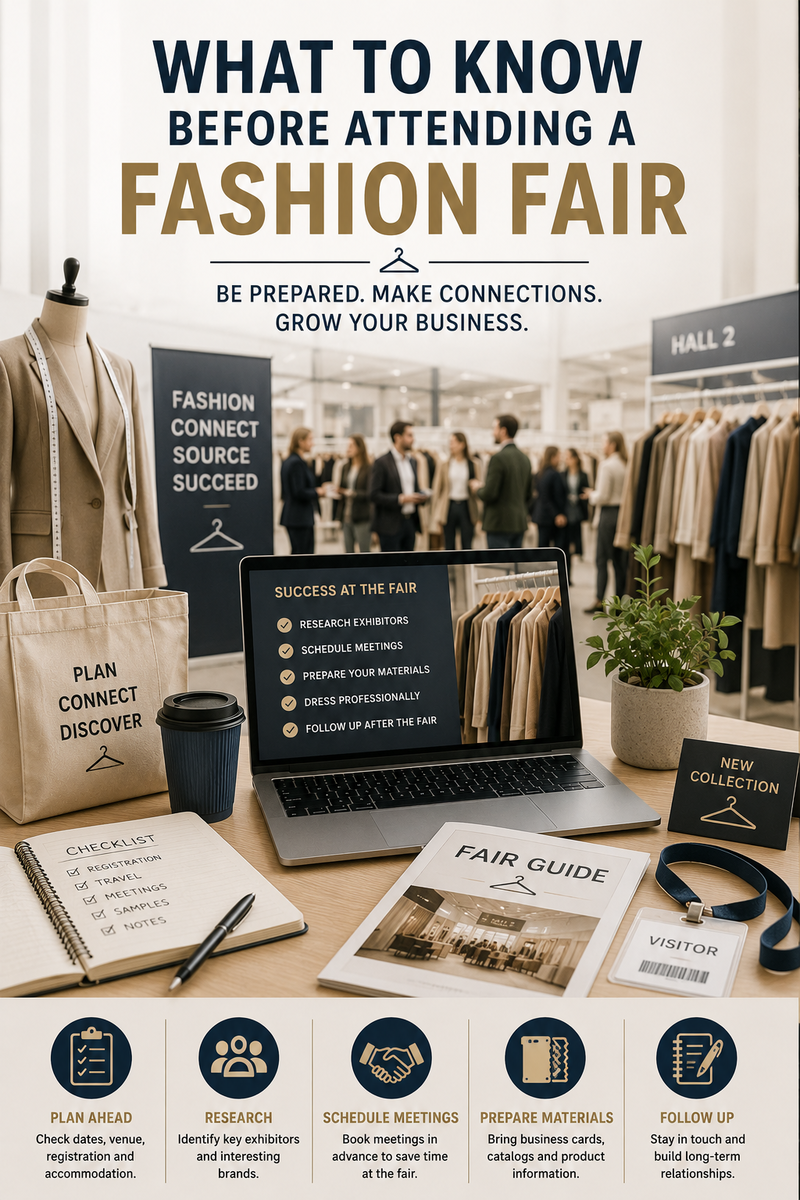
The global fashion industry continues to evolve through innovation, sustainability, digitalization, and international trade partnerships. For brands, manufacturers, designers, and buyers, attending a fashion fair is no longer just an optional marketing activity — it has become a strategic business investment. From discovering new collections to establishing valuable partnerships, fashion events create opportunities that can directly impact brand growth and international visibility.
Whether you are preparing for your first exhibition or already experienced in international events, understanding how to plan effectively before attending a fair can significantly improve your return on investment. From booth design and product presentation to networking and post-event conversion strategies, every detail matters when competing in a highly dynamic fashion environment.
A fashion fair is a professional trade event where brands, manufacturers, wholesalers, designers, retailers, and sourcing professionals come together to showcase collections, discover trends, and establish commercial partnerships. These events play a vital role in connecting local producers with global buyers and are considered one of the most effective platforms for expanding business opportunities.
Today, many leading fashion trade fairs attract thousands of visitors from different countries. Buyers attend these events to source products, compare suppliers, and explore new market trends. For exhibitors, fairs create direct access to decision-makers who are actively searching for new business collaborations.
In addition to traditional exhibitions, sustainability-focused concepts such as fair trade fashion have become increasingly important in recent years. Buyers are paying closer attention to ethical production standards, environmentally friendly materials, and responsible sourcing practices. This shift has also increased the visibility of fair trade fashion companiesand sustainable manufacturers within the global textile market.
Fashion fairs are also valuable for trend forecasting. Participants can observe consumer preferences, monitor competitor strategies, and analyze upcoming seasonal movements in colors, fabrics, and silhouettes.
Before attending a fair, businesses should first determine their primary objective. Some brands participate to increase visibility and establish international recognition, while others focus directly on wholesale agreements and order generation.
If your main goal is brand awareness, your booth experience, storytelling, and visual presentation should take priority. Visitors should immediately understand your brand identity, values, and product positioning.
On the other hand, companies targeting direct sales need a more conversion-oriented strategy. Product accessibility, pricing transparency, sample quality, and fast communication become essential factors during buyer meetings.
Defining this goal early helps shape your marketing approach, team structure, booth setup, and communication strategy throughout the event.
One of the biggest mistakes exhibitors make is attending a fair without measurable goals. Simply “being present” at an event is no longer enough in today’s competitive market.
Instead, businesses should define clear KPIs before the exhibition begins. These may include:
Understanding the event structure is equally important. Reviewing the visitor profile, attendee countries, and even fashion fair hours can help optimize scheduling and team planning. Some fairs experience peak traffic during specific time periods, which may influence meeting arrangements and staffing decisions.
Companies should also prepare a strong pre-fair communication strategy. Informing existing clients, inviting potential buyers, and scheduling meetings before the event can significantly improve productivity during the exhibition.
At any fashion event, first impressions happen within seconds. Booth design therefore plays a critical role in attracting attention and encouraging visitor interaction.
A successful booth should reflect the brand’s identity while remaining functional and welcoming. Clean layouts, organized product displays, strong lighting, and premium visual elements create a professional appearance that increases visitor confidence.
Brands participating in sustainability-focused sectors such as fair trade slow fashion should also communicate their values visually. Eco-friendly booth materials, minimalistic designs, and storytelling elements related to ethical production can strengthen credibility among conscious buyers.
Digital integration has also become increasingly important. Interactive screens, QR-based catalogs, digital lookbooks, and social media displays help modernize the booth experience while reducing printed material costs.
In addition to aesthetics, practical details matter as well. Comfortable seating areas, meeting spaces, charging stations, and multilingual staff can improve the overall visitor experience and increase engagement duration.
Product selection is one of the most strategic decisions when preparing for a fashion exhibition. Displaying too many products may confuse buyers, while showcasing too few items can limit opportunities.
Brands should focus on presenting collections that best represent their market positioning and commercial potential. Product groups should be organized clearly based on categories, trends, or target markets.
For example, if the fair attracts European buyers, collections aligned with current European consumer preferences should receive greater visibility. This is especially important for brands targeting fashion trade fairs in europe, where buyers often prioritize quality, sustainability, and timeless design over fast-fashion trends.
Seasonality also matters. Products should align with the upcoming sales cycle and buyer demand period. Exhibiting outdated collections may reduce buyer interest and affect brand perception.
Choosing the right products depends largely on your target audience and business objectives.
Best-selling items usually deserve a prominent position because they already demonstrate proven commercial success. However, fairs are also an excellent opportunity to introduce innovative or trend-driven collections that differentiate your brand from competitors.
Many buyers visiting international fashion trade fairs are looking for unique products with strong retail potential. Therefore, highlighting exclusive designs, sustainable fabrics, or customizable collections may create additional interest.
Brands operating within ethical manufacturing sectors should also emphasize certifications, sustainable materials, and production transparency. Buyers increasingly seek partnerships with fair trade fashion brands that align with growing consumer demand for responsible fashion consumption.
Clear product categorization and visual merchandising can make collections easier to navigate and improve buyer interaction.
Pricing transparency is essential during professional trade events. Buyers often compare multiple suppliers within a limited timeframe, meaning clear communication can directly influence purchasing decisions.
Brands should prepare pricing structures in advance based on:
Digital and printed catalogs should also be professionally prepared before the event. Catalogs must include:
A poorly designed catalog can reduce credibility, while a well-structured presentation supports long-term buyer communication after the event.
Fashion fairs are not only sales platforms; they are also powerful networking environments. Many long-term partnerships begin through casual conversations during exhibitions.
Successful networking requires preparation and consistency. Exhibitors should research potential buyers, distributors, media representatives, and industry professionals before attending the event.
Rather than focusing solely on immediate sales, brands should prioritize relationship building. Buyers often evaluate reliability, communication quality, and professionalism before placing orders.
Participation in seminars, trend presentations, and networking sessions can also increase visibility within the industry. These activities are especially valuable for emerging brands aiming to expand internationally.
Companies involved in fair trade fashion initiatives may benefit even more from networking opportunities, as sustainability-focused buyers often seek long-term partnerships with ethically aligned manufacturers.
Exhibitor performance during the event directly impacts conversion potential. Staff training is therefore extremely important before the fair begins.
Team members should understand:
Visitors often make quick judgments based on communication quality. A knowledgeable and approachable team creates trust and encourages deeper discussions.
Live product demonstrations, styling presentations, influencer collaborations, and social media content creation can also increase booth traffic. Many brands now combine offline exhibition experiences with online engagement strategies to maximize exposure.
Collecting visitor information efficiently is equally critical. QR systems, lead forms, digital business cards, and CRM integrations help organize potential customer data for future follow-up activities.
The success of a fashion fair is often determined after the event ends. Many exhibitors lose valuable opportunities because they fail to maintain communication with potential buyers.
Follow-up should begin immediately after the exhibition. Personalized emails, digital catalogs, price lists, and meeting summaries should be shared while conversations are still fresh.
Lead prioritization is essential. Qualified buyers should receive tailored communication based on their interests, product preferences, and market focus.
Brands should also analyze performance data after the fair, including:
This information can improve future exhibition strategies and support long-term business growth.
International exhibitions continue to shape the future of global fashion commerce. Whether your goal is expanding into new markets, increasing wholesale partnerships, or strengthening brand recognition, attending a professional fashion event can create valuable long-term opportunities.
As one of the most important meeting points for the textile and apparel industry, IFCO offers brands direct access to international buyers, trend insights, and global networking opportunities. For companies looking to strengthen their position within the global market, participating in a major fashion trade fair can become a strategic step toward sustainable business growth.