
February 3-6, 2027, Istanbul Expo Center
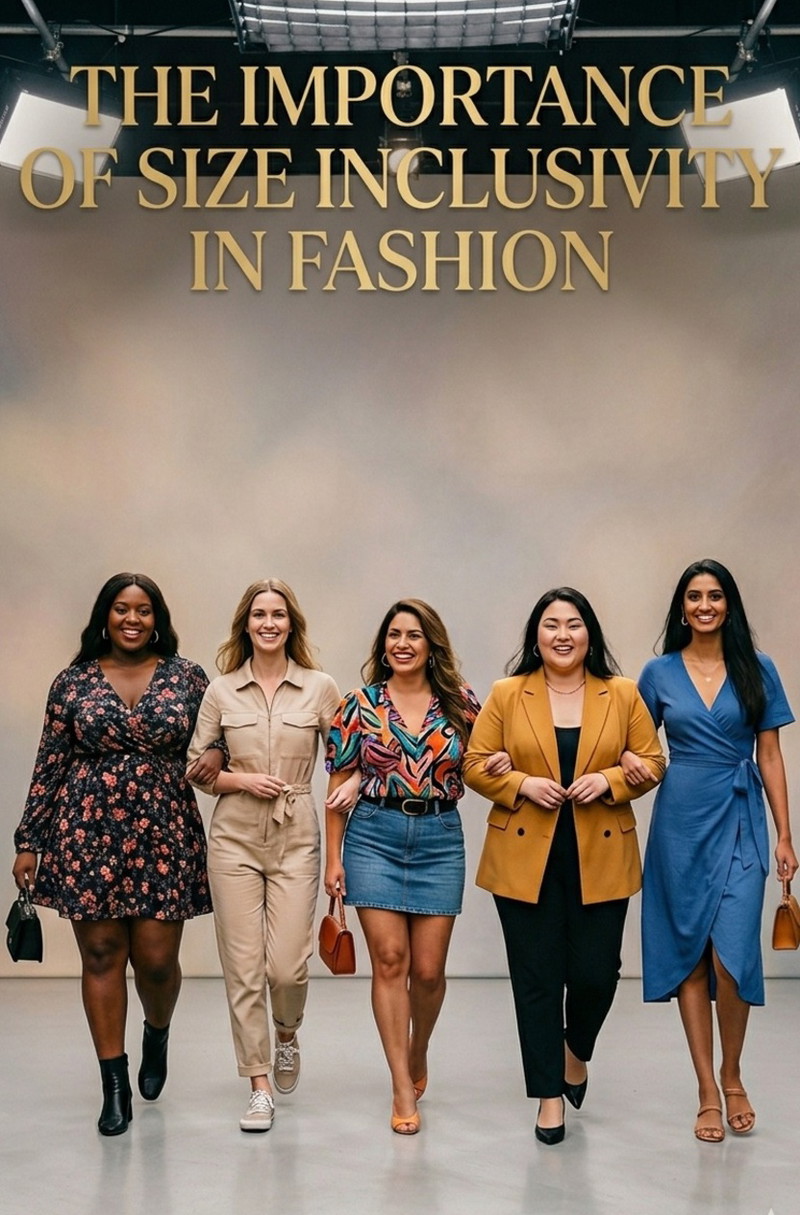
Size inclusivity is reshaping the fashion industry by making it more representative, accessible, and consumer-focused. Instead of limiting design to a narrow standard, brands are now recognizing the need to serve a wider range of body types. This shift not only improves customer satisfaction but also strengthens brand loyalty and trust. As a result, size inclusive fashion is becoming a key driver of both social impact and commercial success.
Size inclusivity means creating clothing for a wide range of body types rather than limiting fashion to a narrow standard. It is not only about extending measurements on a size chart, but about designing garments that work for different proportions, shapes, and needs. In this sense, size inclusivity reflects a more thoughtful and realistic approach to fashion.
Today, consumers expect clothing to be accessible, comfortable, and representative. That is why many brands are investing in size inclusive clothing that serves a broader audience while maintaining style, fit, and quality. A strong inclusive approach also supports the idea of inclusive sizes, giving more people the opportunity to find products that feel made for them.
The importance of size diversity in fashion has grown because consumer expectations have changed. People now want to see real bodies represented in campaigns, collections, and online stores. This shift has made size inclusive fashion a key part of how modern brands communicate with their audiences.
Fashion is no longer shaped only by traditional industry standards. Consumers actively influence the market, and brands are expected to reflect real-world diversity in both product development and brand identity.
Consumers are becoming more conscious of how fashion affects self-image and confidence. When people can see themselves represented by a brand, they are more likely to feel included and respected. This is one of the reasons why size inclusion has become such an important part of current brand strategy.
When clothing is designed with different body types in mind, shoppers often feel more confident in their purchasing decisions. That emotional connection can directly influence trust, satisfaction, and long-term loyalty.
Social media has played a major role in accelerating the inclusive fashion movement. Platforms such as Instagram and TikTok have increased the visibility of different body types and challenged outdated beauty standards. As a result, size inclusive brands are gaining more attention and support from consumers who want more honest representation.
This digital visibility has also encouraged brands to be more transparent and more responsive. Consumers now expect inclusion to be part of both the product and the message.
Inclusive fashion brands are reshaping the market by rethinking design, production, and presentation. Their goal is not just to add more sizes, but to improve the overall fashion experience for more people. Many size inclusive clothing brands are now building collections that reflect a wider understanding of fit and accessibility.
This change is helping fashion move away from one-dimensional standards and toward a more flexible, customer-focused model.
Brands that care about inclusive design do more than scale patterns up or down. They study how garments fit different shapes and create pieces with structure, comfort, and movement in mind. This process leads to stronger products and a better customer experience.
Designing for different body types also helps brands show that inclusion starts long before marketing. It begins at the earliest stage of product development.
Many brands are expanding their collections to serve more customer needs through plus size, petite, and unisex options. This is especially visible in the growth of size inclusive women’s clothing, which has become an increasingly important category in the global market.
At the same time, unisex collections continue to grow because they offer flexibility, simplicity, and a broader sense of accessibility. These categories show that inclusion can take many forms across fashion.
Adopting size diversity gives brands both commercial and strategic advantages. Companies that invest in wider fit options can serve more customers, improve conversion rates, and strengthen loyalty. They are also more likely to build a positive reputation in a market that increasingly values fairness and representation.
In many cases, a more inclusive product strategy allows brands to respond better to real demand. It also helps them stand out in a crowded market where consumers are paying closer attention to values and identity.
Consumers play a major role in shaping the future of fashion. By supporting brands that offer diverse sizing and more realistic representation, they can help push the market in a better direction. Choosing labels that value inclusivity sends a clear message about what today’s shoppers expect.
This support does not only come through purchases. Feedback, reviews, and social media engagement can also encourage brands to continue improving their approach to diversity and access.
Conscious shopping begins with asking better questions: Does a brand offer a meaningful size range? Does it represent different body types in a respectful way? Does it create products with real fit in mind? These questions help consumers make more informed decisions and support brands that are moving fashion forward.
As shoppers become more intentional, they also become more influential. Their choices can help normalize better standards across the industry and encourage a more inclusive future.
As demand continues to grow for brands that reflect real people and real needs, industry platforms are becoming more important than ever. Events such as IFCO offer valuable insight into how the market is evolving and how inclusive strategies are being applied across collections, sourcing, and brand development.
For professionals looking to follow new directions, discover innovative suppliers, and connect with companies shaping the future of fashion, a leading fashion trade fair can provide meaningful opportunities for inspiration and growth.