
February 3-6, 2027, Istanbul Expo Center
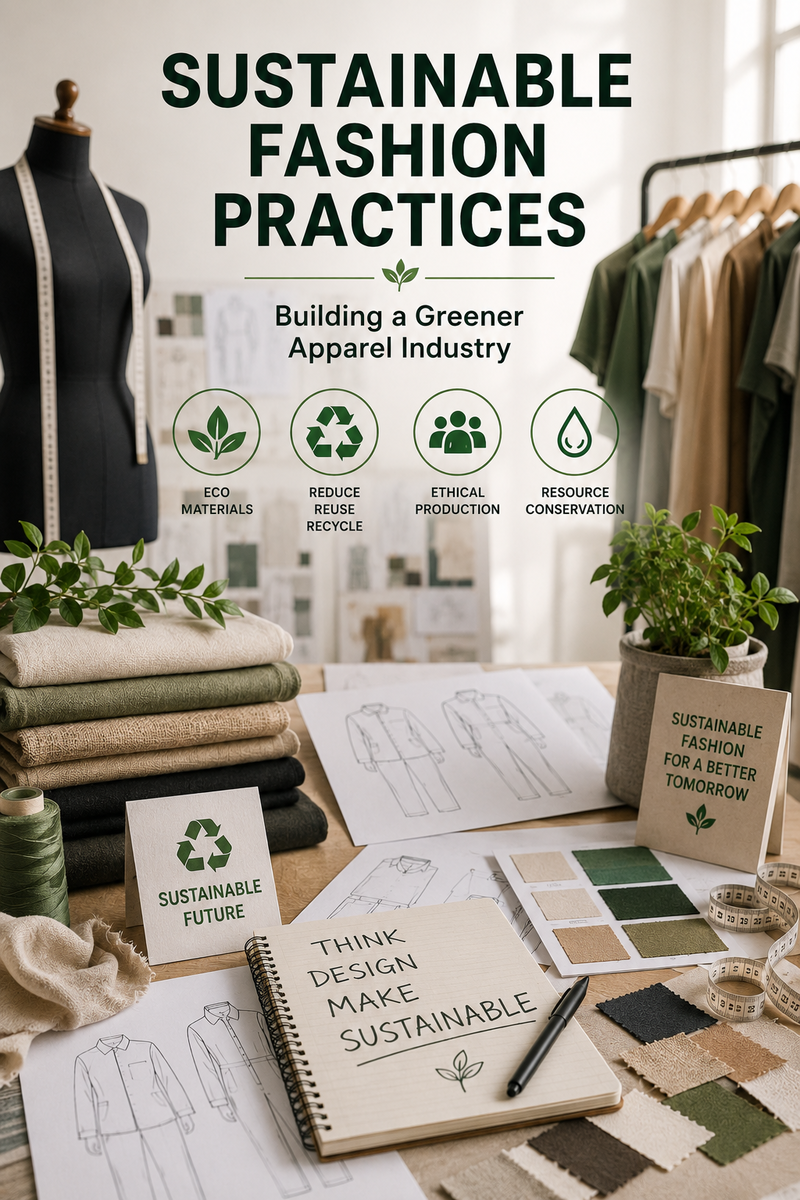
Sustainability is no longer a niche conversation in fashion; it has become a central part of how brands design, source, produce, and communicate their collections. As consumers become more conscious of environmental impact, the demand for sustainable materials, responsible sourcing, and innovative textile solutions continues to grow. From recycled fibers to bio-based blends, the fashion industry is rethinking what fabrics are made of and how they move through the product lifecycle.
To understand sustainable materials meaning, it is important to look beyond the fabric itself. Sustainable fabrics are materials designed, produced, and used with reduced environmental impact, improved resource efficiency, and greater responsibility across the supply chain. In simple terms, when people ask what are sustainable materials, the answer includes textiles that minimize waste, reduce water and energy use, lower carbon emissions, and support circular production models.
In fashion, sustainable materials in textiles matter because fabric choice directly affects the environmental footprint of a product. Conventional textile production can involve intensive water use, chemical processing, synthetic fiber pollution, and high energy consumption. By choosing sustainable fabric materials, brands can create garments that align better with modern expectations around ethics, transparency, and long-term environmental responsibility.
Today, sustainable clothing materials are not limited to one category. They include recycled polyester, organic cotton, responsibly sourced wool, regenerated nylon, hemp, TENCEL™ lyocell, bio-based fibers, and innovative hybrid blends. These materials help brands develop sustainable material products that meet both performance and sustainability goals.
Recycled fibers are created by converting existing textile waste, plastic waste, or industrial by-products into usable fiber for new fabrics. This approach supports circularity by keeping materials in use for longer and reducing dependency on virgin resources.
One of the most widely used recycled fibers is recycled polyester, often made from post-consumer plastic bottles or textile waste. It offers durability, versatility, and performance, making it popular in activewear, outerwear, bags, and everyday fashion items. Recycled cotton is another important option, usually produced from pre-consumer textile scraps or post-consumer garments. It helps reduce textile waste and lowers the need for newly grown cotton, which can require significant water and agricultural input.
Recycled nylon is especially relevant for swimwear, sportswear, and performance garments. It can be produced from discarded fishing nets, fabric scraps, or industrial plastic waste. Because nylon is strong, flexible, and lightweight, recycled versions allow brands to maintain technical performance while improving materials and sustainability practices.
Polyester is commonly recycled through mechanical or chemical processes. Mechanical recycling involves cleaning, shredding, melting, and re-spinning plastic or polyester waste into new yarn. Chemical recycling breaks polyester down into its original components, allowing it to be rebuilt into fiber with quality closer to virgin material.
Cotton recycling usually begins with sorting textile waste by color and composition. The material is then shredded back into fiber and spun into new yarn. Because recycled cotton fibers are often shorter than virgin cotton fibers, they are frequently blended with other fibers to improve strength, softness, and durability.
Nylon recycling can also be mechanical or chemical. Chemical regeneration is particularly valuable because it can transform nylon waste into high-quality regenerated nylon suitable for premium and performance-focused fabrics. This makes recycled nylon an important part of next-generation sustainable textile materials.
Next-generation fabric blends combine sustainability, performance, comfort, and innovation. These blends are designed to solve practical challenges in fashion, such as durability, stretch, breathability, moisture management, and recyclability.
Unlike traditional blends, which may focus only on cost or feel, next-gen blends are created with a more strategic approach to lifecycle impact. For example, a fabric may combine recycled polyester with organic cotton to balance strength and softness. Another blend may use bio-based elastane alternatives to reduce reliance on fossil-based synthetics. Some innovations also focus on mono-material design, where fabrics are engineered to be easier to recycle at the end of their life.
These developments show that sustainable materials in textiles are becoming more advanced, functional, and commercially scalable.
Bio-based textiles are made fully or partially from renewable biological sources such as plants, algae, agricultural waste, or bio-engineered inputs. Examples include fabrics derived from wood pulp, corn-based polymers, mushroom leather alternatives, pineapple leaf fibers, and other plant-based innovations.
Hybrid fabrics combine different sustainable approaches. A material may include recycled fibers, bio-based content, low-impact dyes, and performance finishes with reduced chemical use. These innovations are especially important for brands seeking sustainable material products that do not compromise on design, comfort, or durability.
As technology develops, bio-based and hybrid fabrics are expected to become more accessible for mass-market and premium fashion brands alike.
Choosing sustainable fabrics requires more than selecting a popular eco-friendly name. Brands should evaluate the full context of production, sourcing, durability, care requirements, and end-of-life options.
Key factors include fiber origin, recycled or renewable content, chemical use, water consumption, energy impact, durability, recyclability, and supplier transparency. A fabric that lasts longer and performs better may be more sustainable over time than a lower-impact material that wears out quickly.
For fashion companies, the best approach is to align fabric selection with product purpose. Activewear may require recycled synthetics for performance, while casual collections may benefit from organic cotton, hemp, or lyocell. Luxury collections may explore innovative blends that combine premium touch with measurable sustainability value.
Certifications help brands and consumers verify sustainability claims. Common certifications include GOTS for organic textiles, GRS for recycled content, OEKO-TEX® for chemical safety, FSC for responsibly sourced cellulose-based fibers, and bluesign® for responsible textile processing.
When reading labels, it is important to look for specific and verifiable claims. A label that says “eco-friendly” is less meaningful than one that states the percentage of recycled polyester, organic cotton, or certified fiber content. Transparency matters because vague sustainability language can lead to greenwashing.
Clear labeling helps consumers understand what are sustainable materials in practice and allows brands to build trust through accurate communication.
Several major trends are shaping the future of sustainable fashion. Circular design is becoming more important, with brands focusing on repairability, recyclability, resale, and take-back programs. Material innovation is accelerating, especially in recycled fibers, bio-based alternatives, and low-impact dyeing technologies.
Another key trend is traceability. Brands are investing in digital product passports, supply chain mapping, and data-backed sustainability reporting. Consumers and retailers increasingly expect proof, not just promises.
At the same time, sustainable clothing materials are moving from limited capsule collections into mainstream production. This shift shows that sustainability is becoming a long-term business priority rather than a seasonal trend.
The future of fabric technology will likely be shaped by circular systems, smart material engineering, and scalable low-impact production. Chemical recycling may make it easier to recover high-quality fibers from blended textiles. Bio-based synthetics may reduce reliance on fossil resources. Lab-grown and regenerative materials may open new possibilities for fashion design.
As innovation continues, the connection between materials and sustainability will become even more important. Brands that understand fabric impact, invest in responsible sourcing, and communicate transparently will be better positioned in the global fashion market.
For brands, buyers, manufacturers, and designers, keeping up with sustainable textile innovation is essential. IFCO brings together the fashion industry to explore new collections, supplier networks, fabric technologies, and responsible production opportunities. As a leading fashion trade fair, IFCO offers a valuable platform to discover sustainable textile materials, next-generation blends, and the future of responsible fashion sourcing.