
February 3-6, 2027, Istanbul Expo Center
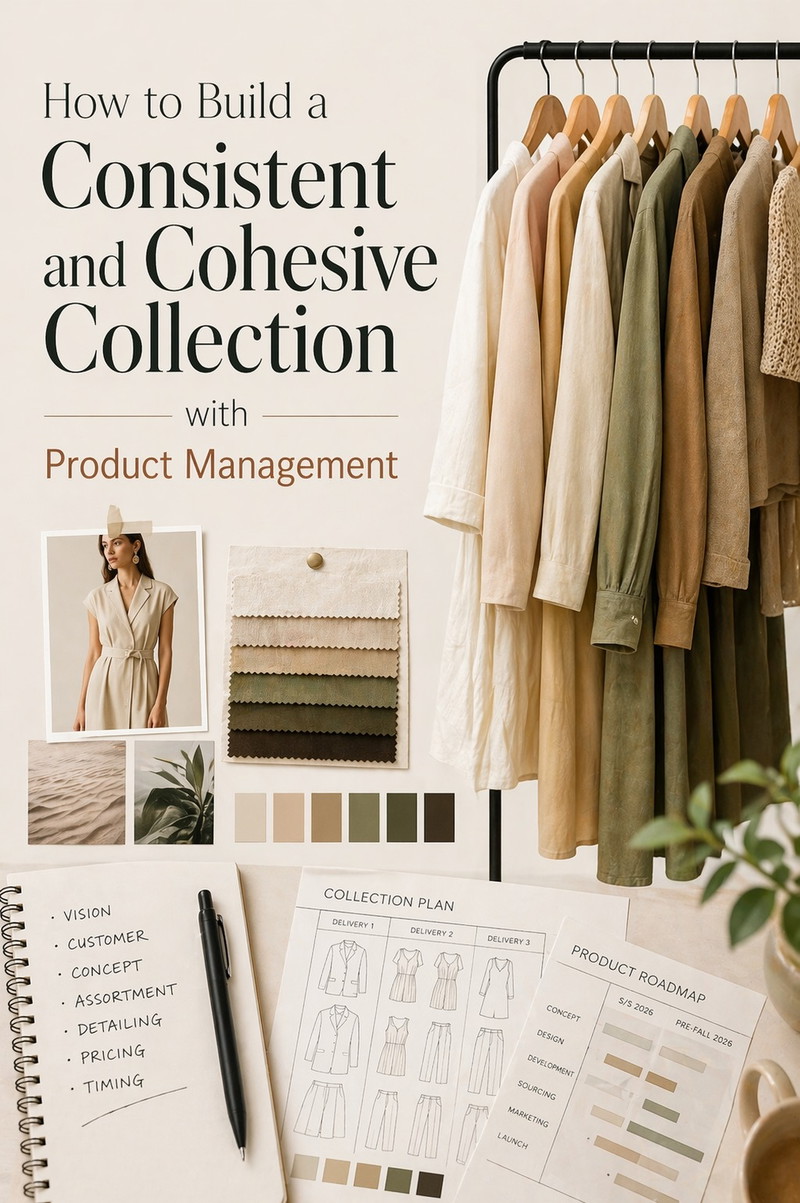
Achieving success in the fashion and retail industry goes far beyond designing great products. What truly sets brands apart is how those products are strategically planned and presented within a cohesive collection. At this point, product management becomes one of the key pillars that enables brands to stand out in a competitive market.
In the ready-to-wear sector, consistency across collections not only strengthens brand perception but also directly impacts sales performance. Today’s consumers are not simply buying products; they are buying a lifestyle, an experience, and a story. This makes it essential for collections to be more than just product groupings—they must deliver a unified narrative supported by strong strategy.
To understand this process, it is important to clarify what is merchandising and how it fits into the broader strategy. Product management refers to the entire lifecycle of a product, from concept development to market launch and post-sale performance analysis.
Collection management, on the other hand, ensures that individual products come together to form a coherent and meaningful whole. While product management focuses on each item, collection management defines how these items relate to one another, how they are balanced, and how they contribute to the overall brand story.
When these two disciplines work together, the result is not only a strong product range but also a compelling brand experience. In retail, this integration ensures that collections are presented effectively both in physical stores and across digital platforms.
Creating a cohesive collection is not just about visual harmony; it requires strategic planning aligned with brand identity and customer expectations.
A collection must reflect the brand’s identity clearly. Elements such as color palettes, fabric choices, and design language should support this consistency. At the same time, defining a seasonal theme helps strengthen the narrative and creates a connection between products.
Another critical factor is maintaining balance in product distribution. Offering items across different price segments allows brands to reach a wider audience. This is where the merchandising definition becomes highly relevant—it involves strategically planning how products are positioned, grouped, and presented to maximize both visual appeal and sales performance.
Sustainability has also become an essential part of collection planning. Modern consumers care not only about design but also about production processes and environmental impact. Therefore, adopting a responsible and long-term approach to product development is increasingly important.
Collection planning requires a structured and data-driven approach, with product management at its core. A successful process typically begins with market analysis, target audience definition, and strategic product development.
Trend analysis and competitor research allow brands to identify gaps in the market. This enables collections to address not only current demand but also future opportunities. Understanding consumer behavior plays a crucial role in shaping product decisions and ensuring relevance.
Target audience analysis is a key factor in determining the success of a collection. Products should not only be categorized by type but also by how they are used in real life.
For example, grouping items based on daily wear, work environments, or special occasions helps customers navigate the collection more easily. This improves the shopping experience and increases conversion rates.
Different age groups, lifestyles, and preferences should also be considered during this process. By doing so, brands can expand their reach and appeal to a broader market.
Every product has a lifecycle, and managing this lifecycle effectively is essential for collection success.
New arrivals bring freshness and excitement to a collection, while best-selling items provide stability and drive revenue. End-of-season products, when managed correctly, help optimize stock levels and reduce financial risk.
Balancing these elements ensures that collections remain dynamic while also maintaining commercial sustainability.
In today’s retail landscape, data is one of the most powerful tools for decision-making. Sales data, customer behavior insights, and trend analysis should all be evaluated together.
These insights are not only useful for understanding current performance but also for planning future collections more effectively. Demand forecasting, stock optimization, and product diversification all benefit from a data-driven approach.
This methodology provides brands with a significant competitive advantage, especially in a fast-paced industry like fashion.
Sales and inventory data offer clear insights into how a collection is performing. They help identify which products resonate with customers and which ones fall short of expectations.
Based on these insights, brands can refine their strategies, improve efficiency, and control costs. At the same time, this data builds a strong foundation for future product planning and development.
This is where fashion merchandising plays a critical role, ensuring that the right products are presented to the right audience at the right time.
A cohesive collection strengthens a brand’s position in the market and builds trust with consumers. When a collection feels unified, customers are more likely to connect with the brand and explore multiple products.
This not only increases sales but also enhances customer loyalty. A well-structured collection makes marketing efforts more effective, simplifies campaign planning, and improves the overall customer journey.
In addition, a strong collection structure supports digital marketing strategies, making it easier to create compelling content and drive higher conversion rates.
To elevate your collections to global standards and refine your product strategies, connecting with the right platforms can make a significant difference. At this point, Istanbul Fashion Connection (IFCO) offers a powerful environment for fashion brands to grow and innovate.
At IFCO, you can:
Understanding what is fashion merchandising and applying it effectively can transform how collections are presented and perceived. For brands looking to enhance their product management and merchandising strategies, participating in a leading fashion trade fair provides valuable opportunities to scale, innovate, and compete on a global level.