
February 3-6, 2027, Istanbul Expo Center
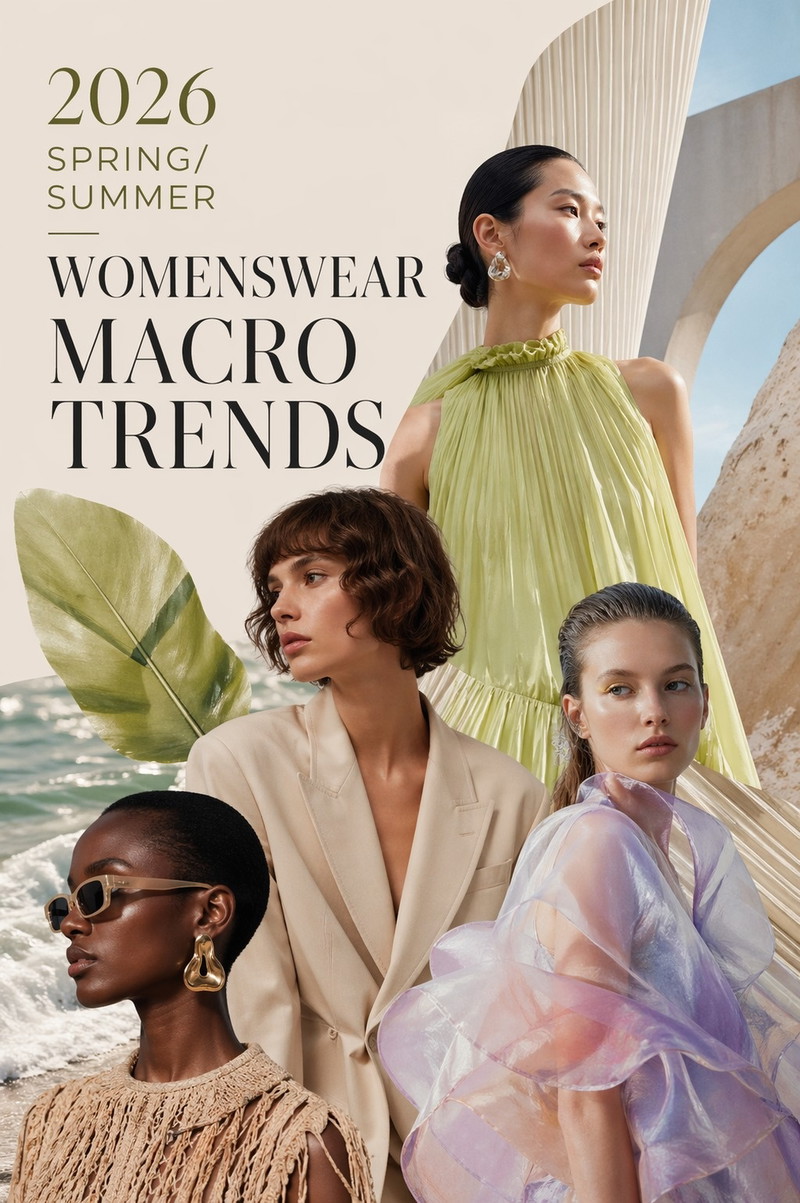
The Spring/Summer 2026 season represents a period where both aesthetics and functionality are being redefined in women’s fashion. Evolving global lifestyles, increasing sustainability awareness, and a stronger focus on individual expression are all shaping fashion trends womenswear in a more strategic and consumer-driven way.
This season is not only about “trendy clothing,” but about timeless, versatile, and functional pieces that align with modern expectations. For brands, this shift requires a more thoughtful and structured approach to collection planning.
The 2026 season blends inspiration from the past with the needs of contemporary lifestyles. Simplicity in design is becoming more prominent, while functionality and versatility are gaining importance.
When we look at the overall direction of trends womenswear, it is clear that fashion is no longer defined by a single dominant style. Instead, multiple aesthetics are combined in a balanced way, creating a more flexible and adaptable fashion language.
Despite the fast pace of trend cycles, brands are increasingly adopting a slower fashion mindset. This allows collections to remain relevant for longer periods and encourages more conscious consumption among consumers.
Consumer behavior continues to be one of the most influential factors shaping fashion. In 2026, shoppers are more selective, informed, and experience-driven than ever before.
Today’s consumers evaluate not only the visual appeal of a product but also its functionality, durability, and versatility. This shift is transforming how collections are developed and positioned in the market.
One of the key expectations is multi-use functionality—products that can be styled in different ways for various occasions. At the same time, consumers are looking to build an emotional connection with the brands they choose, engaging with storytelling and brand identity.
With the impact of digitalization, shoppers now conduct more research before making a purchase, drawing inspiration from multiple platforms. This behavior reinforces the importance of content-driven branding and curated customer experiences.
Color plays a central role in defining the spirit of the season. The Spring/Summer 2026 palette reflects a balance between natural tones and vibrant energy.
Nature-inspired shades reinforce the sustainability narrative, while brighter colors introduce a sense of dynamism. Soft pastels continue to be popular, offering a refined and feminine look, particularly in summer styling.
This season, color is not just about individual shades but about how they interact within an outfit. Tonal combinations and contrast-driven styling elevate the overall aesthetic, making contemporary fashion more sophisticated.
Color blocking techniques and tonal layering are becoming more common, while bold transitions are particularly appealing to younger audiences.
Silhouettes in 2026 are defined by a combination of strong structure and fluid elegance. Both sharp tailoring and soft movement coexist within the same collections.
Structured silhouettes, such as oversized blazers and defined shoulders, reflect a confident and modern urban identity. In contrast, feminine volume introduces softness through flowing fabrics, layered skirts, and dynamic forms.
This hybrid approach allows brands to appeal to different style preferences and age groups, creating a more inclusive and adaptable collection structure.
Fabric selection in 2026 goes beyond aesthetics, focusing equally on sustainability and comfort. There is a growing preference for natural and recyclable materials, along with textures that enhance the overall user experience.
The combination of matte and glossy surfaces adds depth to designs, while patterns inspired by nature and minimal graphic elements dominate the season. Digital-art-inspired prints also bring a contemporary edge to collections.
Breathable fabrics and lightweight materials are particularly important for the summer season, ensuring comfort without compromising on style.
The standout product categories of the season combine everyday wear with refined elegance. Dresses continue to be one of the strongest segments, especially in midi lengths and minimal silhouettes.
Co-ord sets are gaining popularity due to their practicality and ease of styling. In trousers, relaxed fits and wide-leg designs stand out, while tops feature oversized silhouettes and layered styling.
Accessories are playing a more complementary role, with large bags, slim belts, and minimal jewelry helping to balance the overall look. These categories make it easier to integrate seasonal trends into everyday wear.
Identifying trends is only the first step; successfully translating them into commercial products is where the real challenge lies.
Brands should focus on selecting trends that align with their identity rather than trying to adopt everything. These selected trends should then be reinterpreted in a way that reflects the brand’s unique voice.
Balancing trend-driven items with core commercial products is essential. This ensures both strong sales performance and a consistent brand image.
Fast production cycles and flexible supply chain management are also critical in bringing trends to market at the right time.
Successful collection planning requires more than just trend awareness. A strategic approach is necessary to create long-lasting and commercially viable collections.
Products should be designed for longevity, with the ability to transition across seasons and be styled in multiple ways. Additionally, creating content that aligns with digital sales channels provides a significant advantage.
Data-driven decision-making plays a crucial role in understanding consumer expectations and improving sales performance. Brands that use data effectively can better anticipate demand and optimize their collections accordingly.
Stock management, pricing strategies, and marketing plans should also be integrated to ensure a cohesive and efficient process.
The Spring/Summer 2026 season marks a period of transformation in women’s fashion. For brands, understanding what is trending for womenswear right now and applying those insights strategically offers a strong competitive advantage.
Following global fashion movements, analyzing spring summer trends womenswear, and connecting with industry professionals are essential steps in this journey. Platforms like Istanbul Fashion Connection (IFCO) provide the perfect environment to explore new ideas, build partnerships, and stay ahead of the market.
For brands looking to strengthen their collections and gain international exposure, participating in a leading fashion trade fair is one of the most effective ways to discover innovation, refine strategy, and shape the future of womenswear.